Common Misconceptions About Automotive Paint and How to Avoid Them


Understanding Automotive Paint
Automotive paint is more than just a cosmetic feature. It serves as a protective layer, shielding your vehicle from environmental damage. However, there are several common misconceptions about automotive paint that can lead to costly mistakes. By understanding these misconceptions, you can better maintain your car's appearance and value.
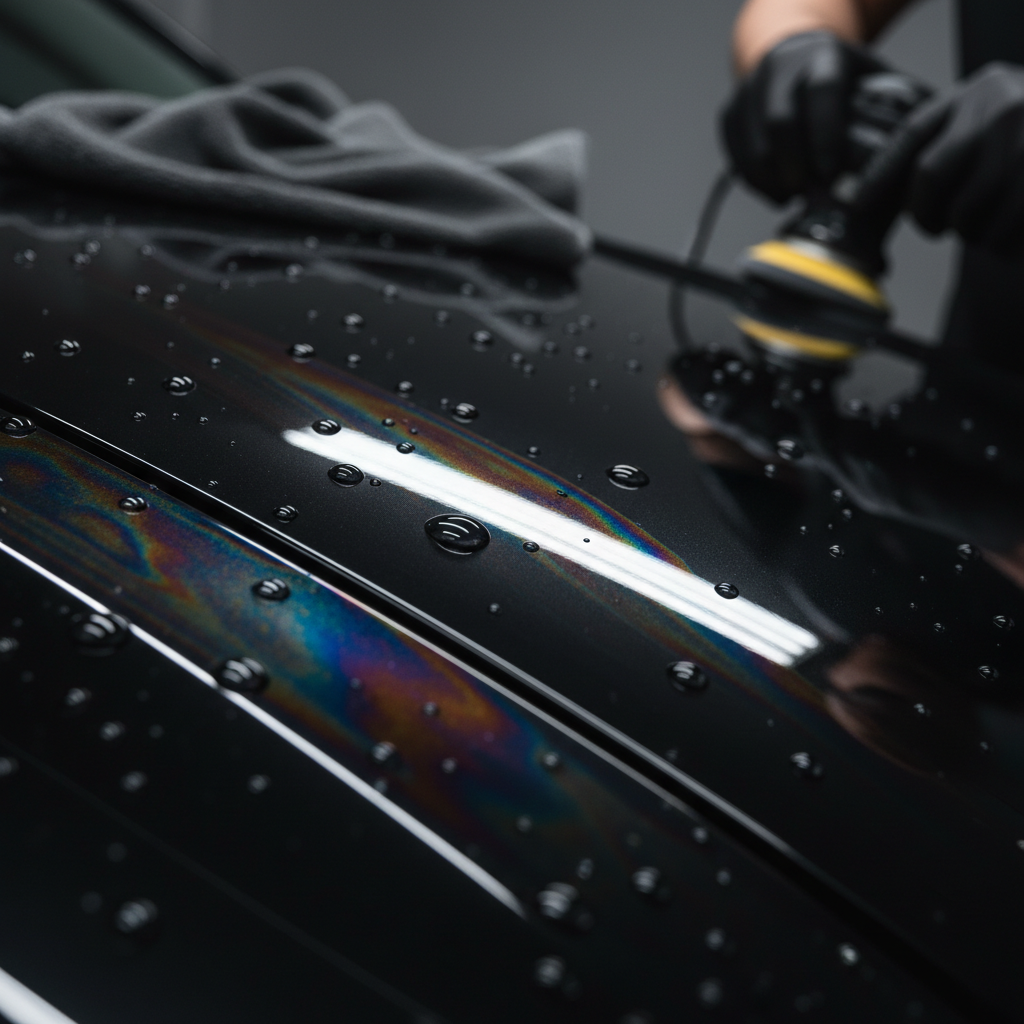
Misconception 1: All Paints Are the Same
One of the biggest misconceptions is that all automotive paints are created equal. This is far from the truth. Different cars require different types of paint depending on their make, model, and year. Using the wrong paint can lead to mismatched colors and poor adhesion.
To avoid this mistake, always consult your vehicle's manual or a professional to ensure you're using the correct paint type. A simple check can save you a lot of frustration and expense.
Misconception 2: DIY Painting Is Easy
Many car owners believe they can achieve professional results with DIY painting kits. While these kits can be useful for minor touch-ups, they often lack the quality and durability of a professional job.
For larger paint jobs, it’s best to consult with a professional. They have the necessary tools and expertise to provide a long-lasting finish. Investing in professional services can prevent costly repairs down the line.
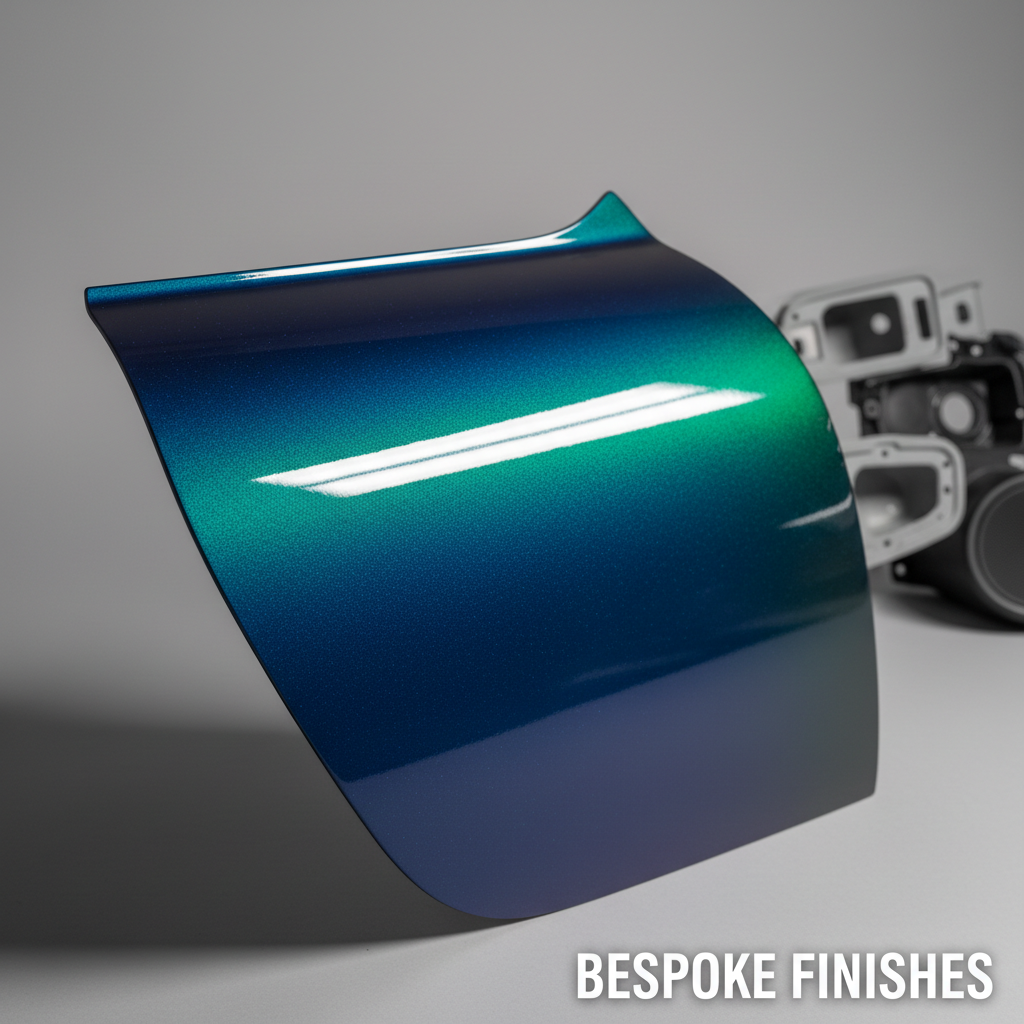
Misconception 3: Paint Protection Is Unnecessary
Some car owners think that once their vehicle is painted, no further protection is needed. However, environmental factors such as UV rays, dirt, and chemicals can quickly degrade the paint. Without additional protection, your car’s finish may fade and chip over time.
Consider applying a protective coating or wax to maintain the paint's integrity. Regular maintenance will help your vehicle look new and preserve its resale value.
Misconception 4: Color Matching Is Simple
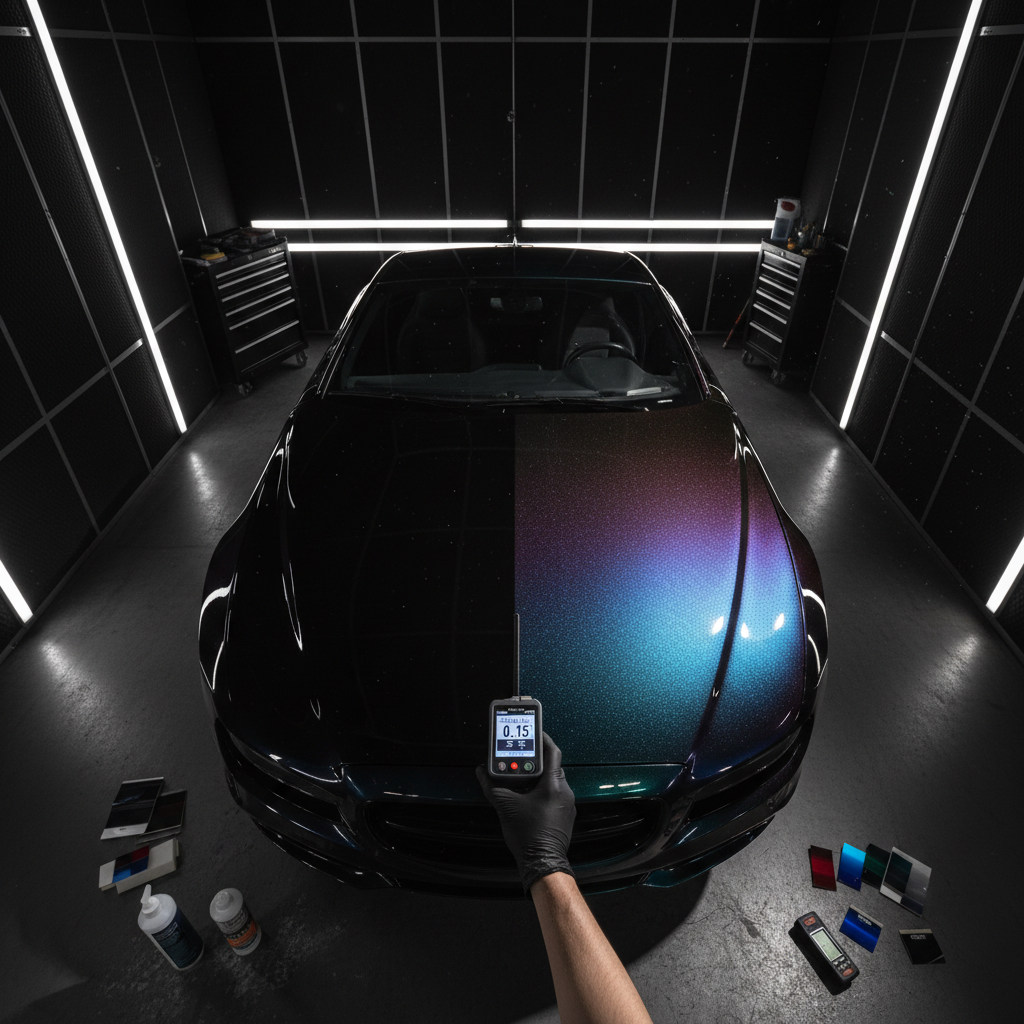
Matching the original color of a vehicle is a complex process. Factors like paint age, exposure to sunlight, and manufacturing differences can make it challenging to find an exact match. Many believe that a simple color code is enough, but professional expertise is often required.
Consulting a professional ensures that the new paint blends seamlessly with the existing color, maintaining a uniform appearance. They use advanced techniques and tools to achieve the perfect match.
Conclusion: Avoiding Common Mistakes
Understanding these misconceptions can help you make informed decisions about your vehicle’s paint. Whether you’re considering a DIY project or hiring a professional, knowledge is your best tool. Proper care and attention to detail will ensure your car remains in top condition for years to come.
By taking the time to understand the intricacies of automotive paint, you can avoid common pitfalls and keep your vehicle looking its best.